

Feel Your Blood Pressure Rising? Here’s How to Monitor It | Tufts Now
Skip to main content
Exit
Search
Most Popular
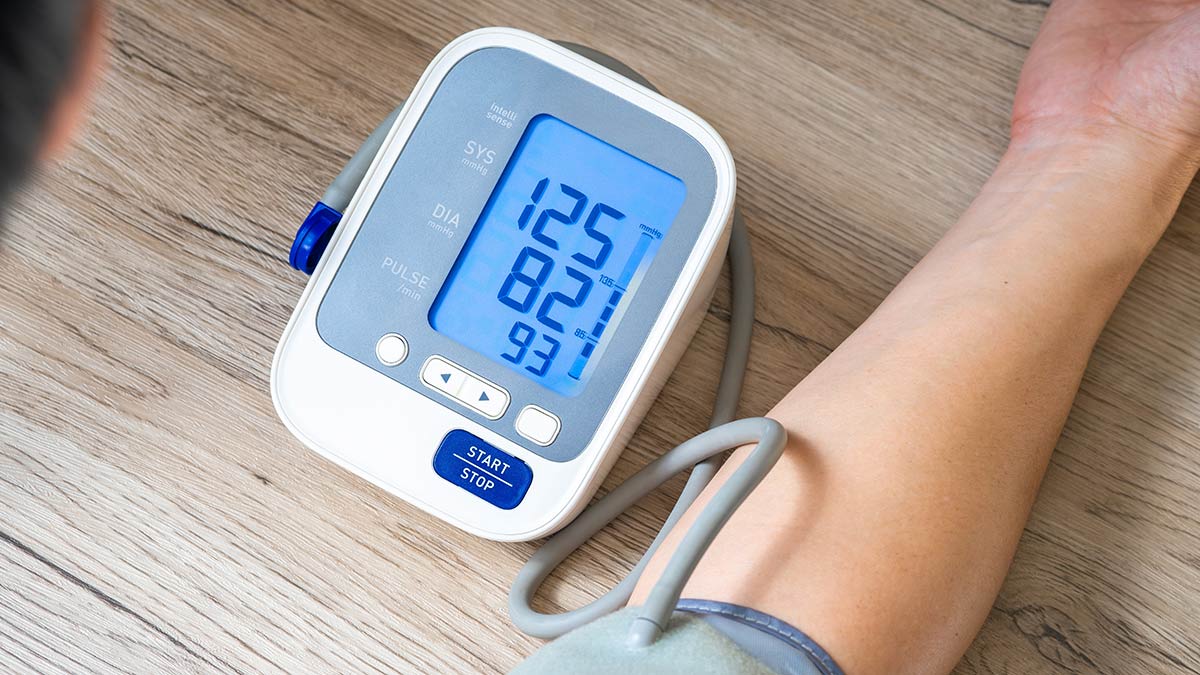
Activism & Social Justice Routine screenings are important for health. Advice from a cardiologist on screenings, home monitoring, and interpreting the results Nearly half of all adults in the U.S have high blood pressure. “High blood pressure (also called hypertension) puts you at risk of many life-threatening problems,” says Rachel Goodman, MD, Chief Cardiology Fellow at Tufts Medical Center. According to the Centers for Disease Control and Prevention, hypertension contributed to over 664,000 deaths in the United States in 2023. When your heart contracts, it pushes blood out of its chambers into the blood vessels. This puts pressure on the vessel walls, stretching them. When the heart relaxes, this pressure is released. “Hypertension occurs when there is increased force and pressure in your blood vessels,” says Goodman. This is usually caused by a stiffening of the vessels, making it less likely they can expand in response to the increased blood flow. The two numbers in a blood pressure reading represent the amount of pressure on the blood vessel walls during heart contraction (the top number, or systolic pressure) and during relaxation (the bottom number, or diastolic pressure).
Published: November 20, 2025 12:00 pm
Source: Tufts Now — Read original