

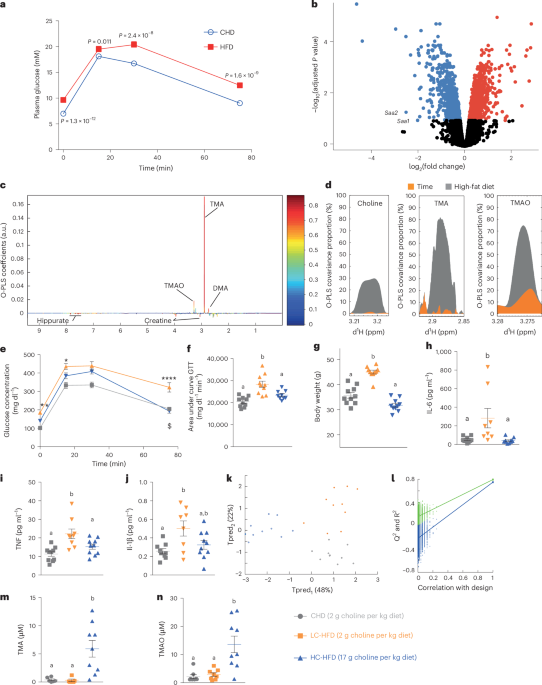
The global type 2 diabetes epidemic is a major health crisis. Although the microbiome has roles in the onset of insulin resistance (IR), low-grade inflammation and diabetes, the microbial compounds controlling these processes remain to be discovered. Here, we show that the microbial metabolite trimethylamine (TMA) decouples inflammation and IR from diet-induced obesity by inhibiting interleukin-1 receptor-associated kinase 4 (IRAK4), a central kinase in the Toll-like receptor pathway sensing danger signals. TMA blunts TLR4 signalling in primary human hepatocytes and peripheral blood monocytic cells and rescues mouse survival after lipopolysaccharide-induced septic shock. Genetic deletion and chemical inhibition of IRAK4 result in metabolic and immune improvements in high-fat diets. Remarkably, our results suggest that TMA—unlike its liver co-metabolite trimethylamine N-oxide, which is associated with cardiovascular disease—improves immune tone and glycemic control in diet-induced obesity. Altogether, this study supports the emerging role of the kinome in the microbial–mammalian chemical crosstalk. The microbial metabolite trimethylamine (TMA), the precursor of TMAO, which is associated with adverse cardiometabolic outcomes, is shown to have beneficial metabolic and anti-inflammatory effects in the host in the context of obesity.
Published: December 8, 2025 10:09 am
Source: Nature — Read original