

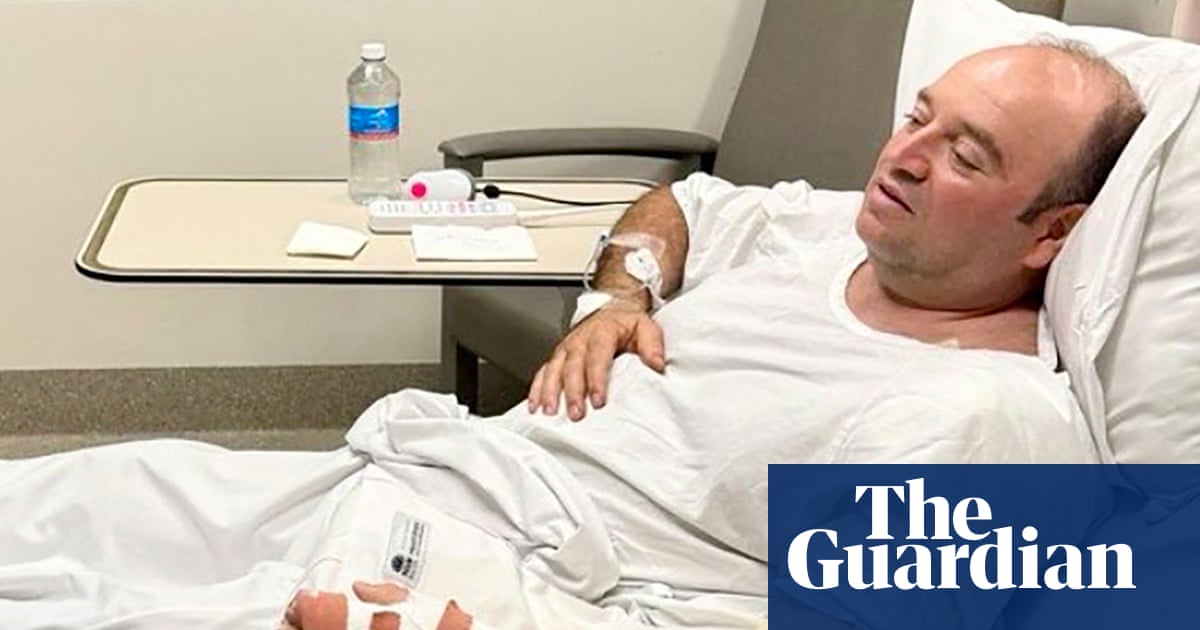
Skip to main contentSkip to navigation Close dialogue1/4 Next image Previous image Toggle captionSkip to navigation Ahmed al-Ahmed recovering in hospital in Sydney after tackling and disarming one of the Bondi beach attackers. Photograph: NSW Premier's Department/AFP/Getty Images View image in fullscreen Ahmed al-Ahmed recovering in hospital in Sydney after tackling and disarming one of the Bondi beach attackers. Photograph: NSW Premier's Department/AFP/Getty Images When attacks unfold, what makes a person run towards danger?Neuroscientists, psychologists and ‘have-a-go heroes’ themselves explain why it is about more than just instinct As a knife-wielding terrorist wearing a fake suicide belt caused panic on London Bridge in 2019, Darryn Frost remembers entering a state of intense focus.Having grabbed a decorative narwhal tusk from the wall of Fishmongers’ Hall, the formerly shy civil servant zoned in on the danger and ran towards it, helping pin the attacker to the ground.It is unclear why Frost went from bystander to “have-a-go hero”, much like Ahmed al-Ahmed, who wrestled a gun off one of the attackers on Sydney’s Bondi Beach on Sunday. 1:14 Ahmed al-Ahmed, who risked his life wrestling alleged Bondi shooter, speaks in hospital – videoFor Frost, 44, the answer is neither simple nor instinctive. He has spoken to Steven Gallant, who was on day release from prison when he used a chair to help bring…
Published: December 19, 2025 5:58 pm
Source: The Guardian — Read original