

Salt Diapirs As An Architect Of Neoproterozoic Stromatolite Platform Reefs – Astrobiology
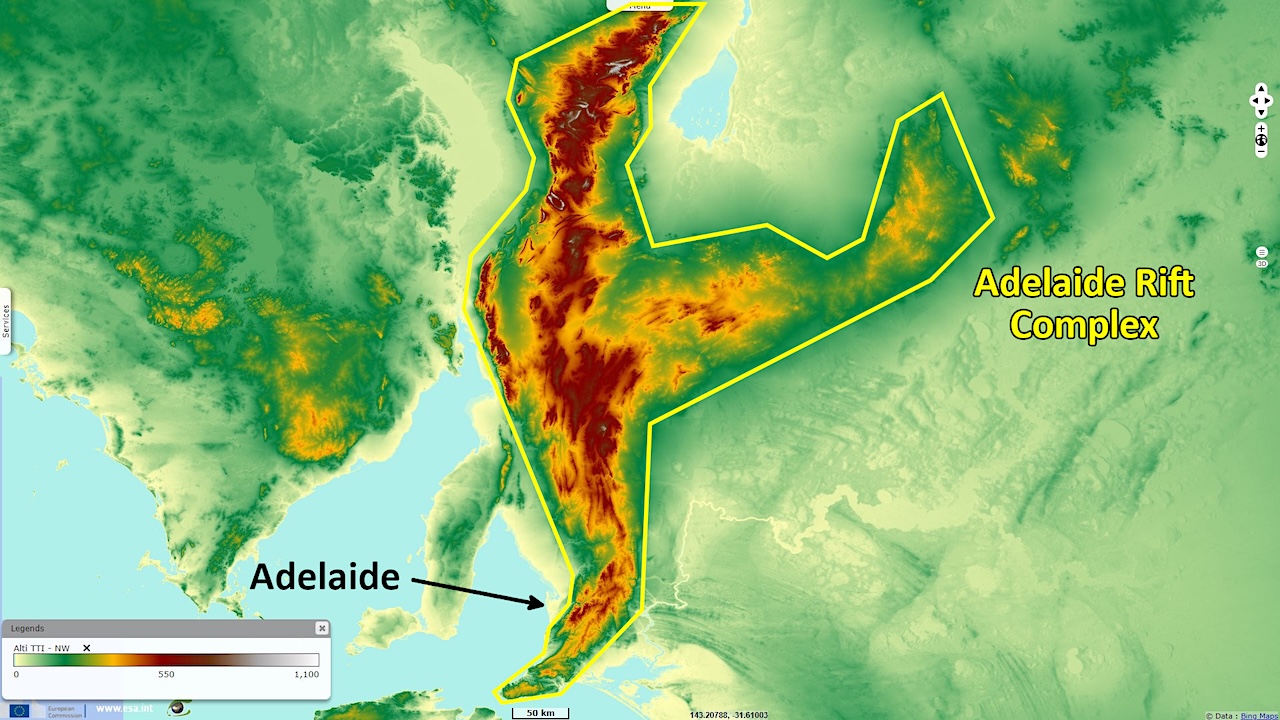
Astrobiology During the Precambrian, stromatolite reefs played an essential role in the evolution of Earth’s climate and life systems. Many Precambrian basins contain salt-influenced stratigraphy, yet the potential for salt diapirism to create depositional environments that allow carbonate reefs and platforms to develop has not previously been described. Our study presents outcrop evidence that Neoproterozoic diapirism enabled the formation of a carbonate platform within the Cryogenian Umberatana Group of the Adelaide Rift Complex in South Australia, where a series of stromatolite reefs were deposited across 6 km above the Enorama Diapir. Deposition occurred primarily in a mixed siliciclastic-carbonate shallow marine system characterized by eight lithofacies and four facies associations that are unconformably bound by one sequence stratigraphic lowstand systems tract, transgressive surface, and an overlying transgressive systems tract. The sequence stratigraphy is interpreted to represent parasequence hook and wedge halokinetic sequences that stack to form higher-order tabular and tapered composite halokinetic sequences bound by halokinetic sequence boundaries.
Published: January 13, 2026 5:52 pm
Source: astrobiology.com — Read original