

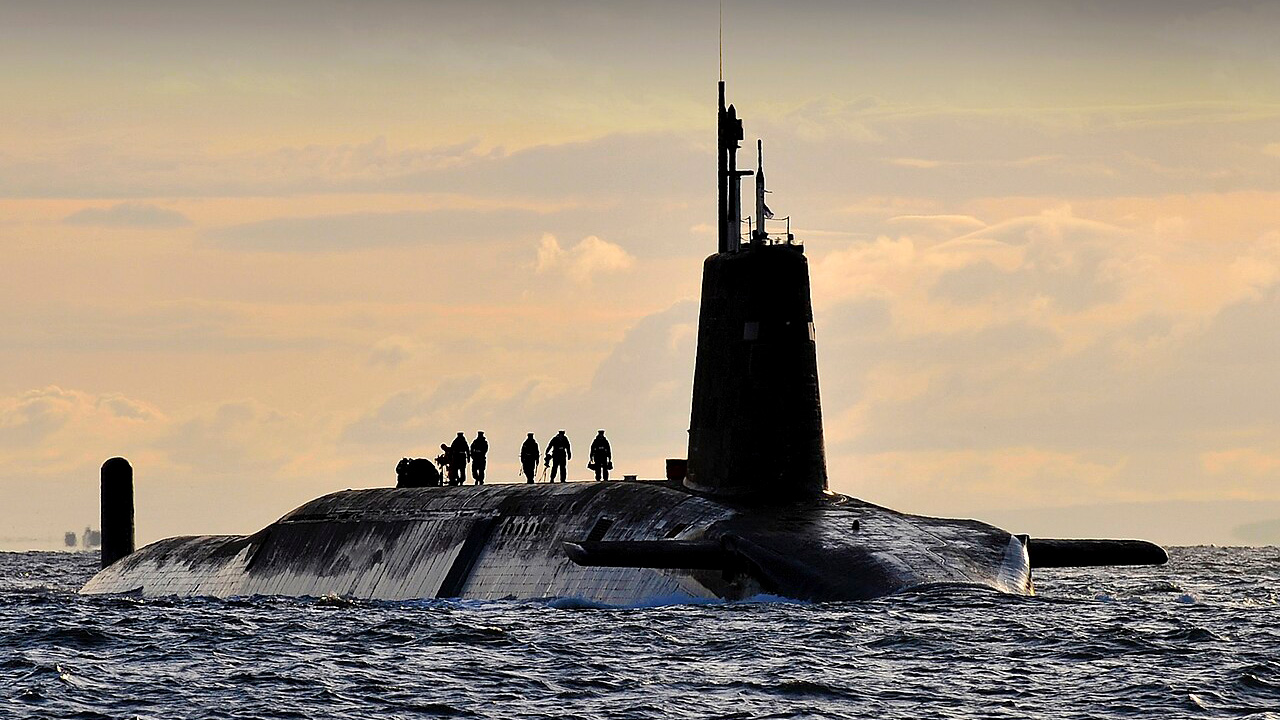
The crisis behind Britain’s record-breaking submarine patrols
X
Home Maintenance periods have lengthened significantly, which has forced patrols to extend in order to sustain the Continuous At Sea Deterrent. The arithmetic isn’t complicated: if one boat is stuck in a delayed refit for longer than planned, the boats that are still operational have to stay out longer to cover the gap. This is partly because ageing submarines become harder and more expensive to maintain, with unplanned defects becoming more frequent and the schedule margin for everyone else getting thinner as a result. For example, HMS Vanguard’s deep maintenance and refuelling overran by four years, which, again according to the Nuclear Information Service, pushed back the planned maintenance of HMS Victorious and generally piled more pressure onto the other boats, cascading through the whole programme. Alongside this, the force has been dealing with well-documented industrial constraints, including shortages of nuclear-qualified engineers and delays to infrastructure upgrades, all of which reduce the capacity to turn boats around quickly enough. Extended patrols also make it harder to recruit and retain people, so experienced submariners leave after record-length deployments and take years of institutional knowledge with them, which makes the next maintenance period harder still.
Published: April 19, 2026 1:50 pm
Source: UK Defence Journal — Read original