

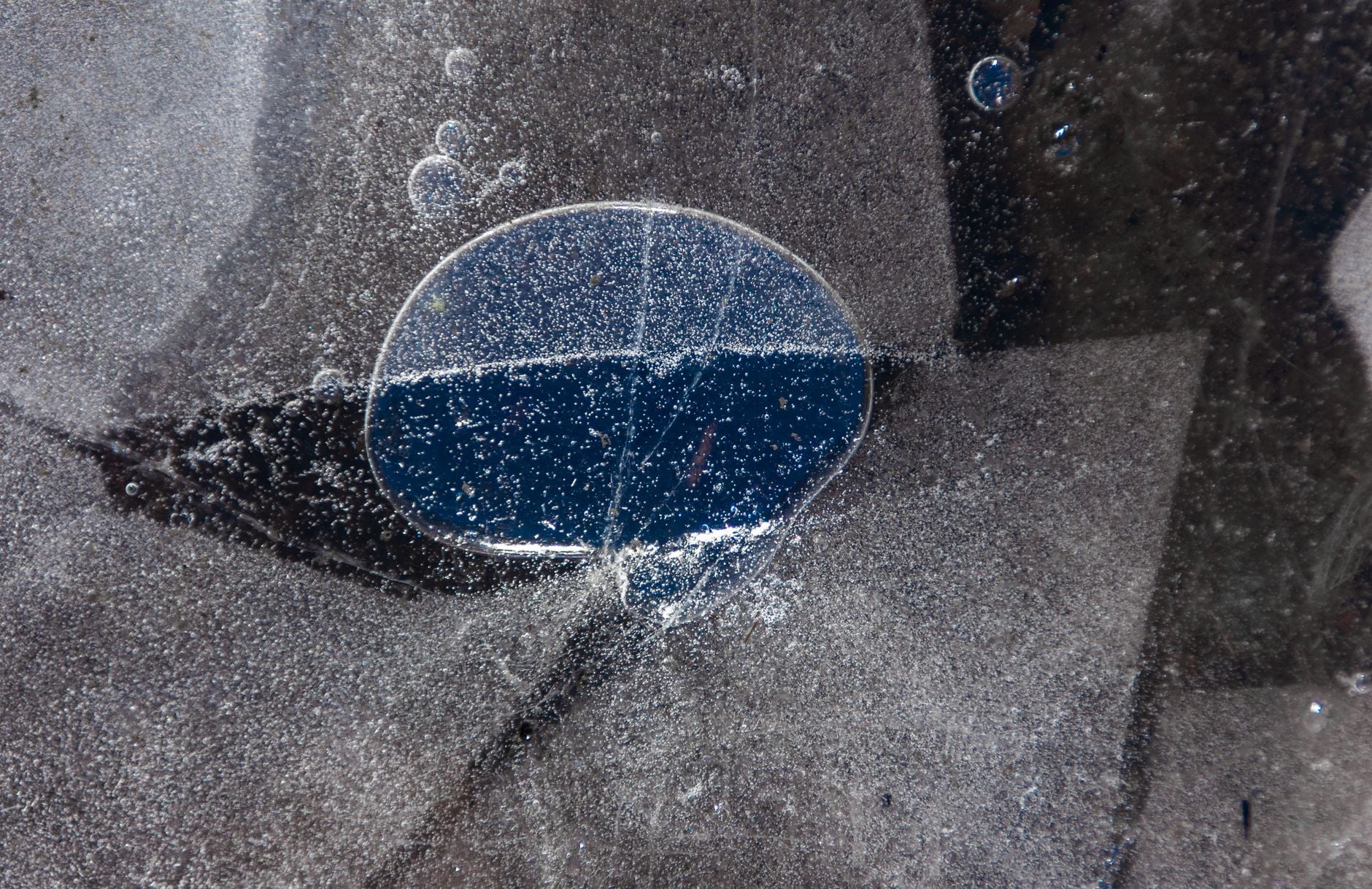
Liquid water is not confined to Earth or to worlds close enough to the Sun for warmth. Several moons in the outer Solar System appear to contain oceans beneath ice shells, kept liquid by combinations of tidal flexing, radioactive decay, salts and ammonia. The exact count depends on how strong the evidence must be. Europa, Ganymede, Callisto, Enceladus and Titan have long formed the core group. A 2024 analysis made Mimas a strong sixth case, while Triton and several moons of Uranus remain plausible additions. None of these oceans has been photographed directly. Each has been inferred from a different combination of magnetic, gravitational, orbital, geological and chemical evidence. NASA uses “ocean world” for a body with a substantial present-day liquid reservoir. The liquid does not have to reach the surface, resemble Earth’s seawater or sit directly on rock. Some proposed oceans contain salts or ammonia, and the largest moons may have water layers trapped between different forms of high-pressure ice.
Published: July 26, 2026 6:00 pm
Source: Space Daily — Read original