

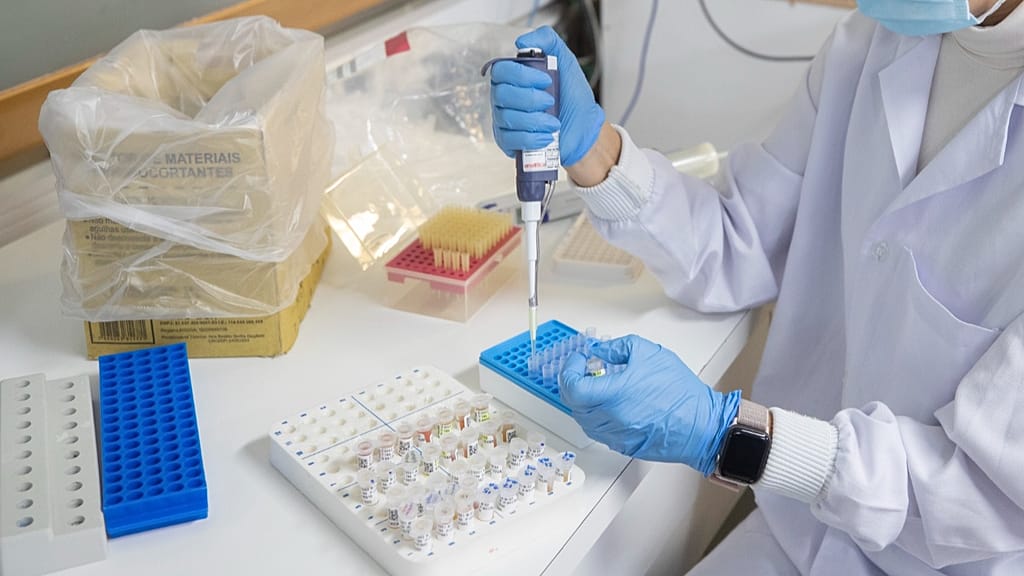
A team of researchers has successfully isolated a bacterial strain named Psychrobacter SC65A.3, which was frozen in the Scărișoara Ice Cave in Romania for nearly 5,000 years. This revival highlights significant implications for both medicine and biotechnology. Psychrobacter SC65A.3 has been discovered to harbour over 100 antibiotic resistance genes, making it resistant to many contemporary medications. Despite these concerning traits, the bacterium also possesses the ability to inhibit harmful superbugs, suggesting a promising dual capability. The isolate's genome sequencing revealed enzymes that can be utilised for biotechnological applications, as well as a considerable number of genes with unknown functions. This adds an element of intrigue to the research, as scientists continue to explore the potential advantages and hazards associated with such an ancient organism. Research into bacteria such as Psychrobacter SC65A.3 is of particular importance in the context of rising antibiotic resistance globally, which poses a significant challenge to public health. The ability of this strain to combat superbugs could potentially inform future developments in antibiotic treatments, provided the risks of antibiotic resistance are managed appropriately. This balance between its beneficial characteristics and the potential downsides will be a key area for further investigation.
Published: February 17, 2026 5:17 pm
Source: India News Network — Read original