

Astronomers Observe Exoplanet Atmospheres With New Cloud-detecting Method – Astrobiology
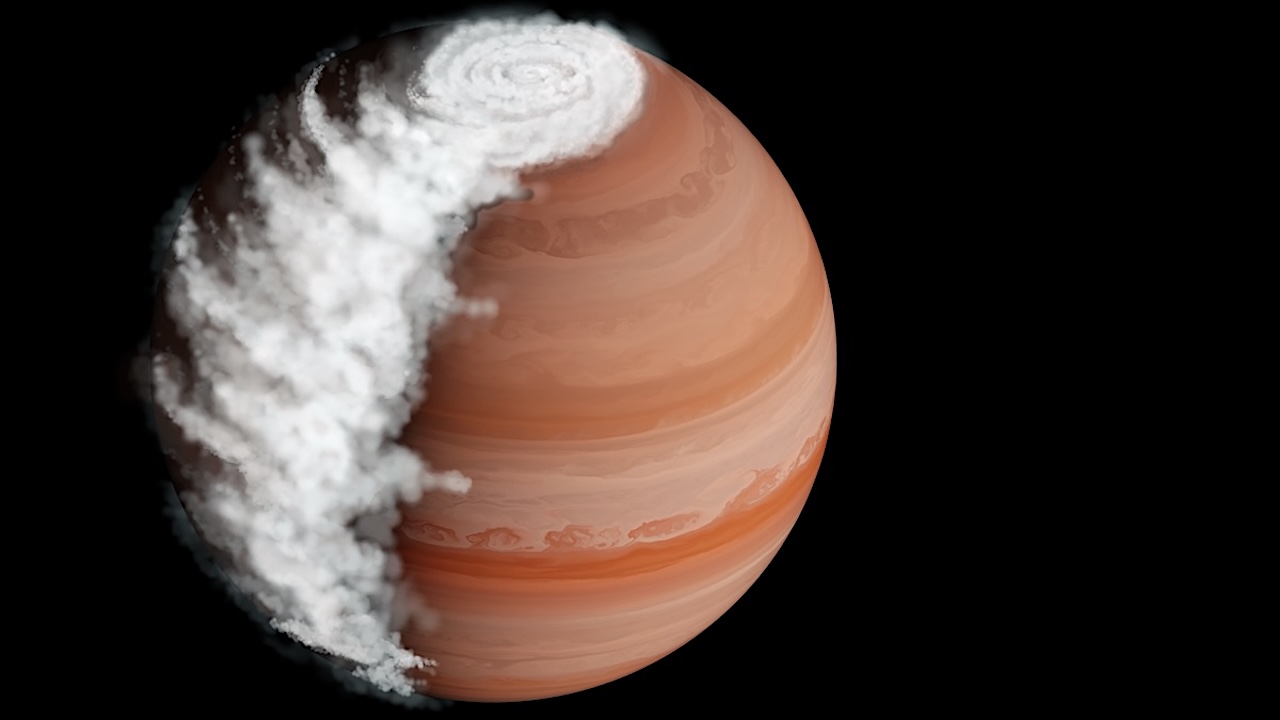
Astrobiology Every morning, clouds roll in, and by evening, they have cleared off. This sounds like a weather forecast for a coastal city here on Earth — but it’s for WASP-94A b, a well-studied gas giant orbiting a star located nearly 700 light-years away. A new study published in the journal Science documents the first detection of repeating cloud cycles on a hot Jupiter exoplanet. The first author of the study is Sagnick Mukherjee, a 51 Pegasi b postdoctoral fellow at Arizona State University’s School of Earth and Space Exploration. Mukherjee is part of a research team that analyzed data from the James Webb Space Telescope targeting WASP-94 A b, a gas giant in the constellation Microscopium. The team discovered that the planet’s morning side is blanketed in clouds of magnesium silicate, the same mineral found in common rocks, while its evening side is under clear skies.
Published: May 22, 2026 5:37 pm
Source: astrobiology.com — Read original