

The Supreme Court’s ruling leaves Trumponomics facing major challenges
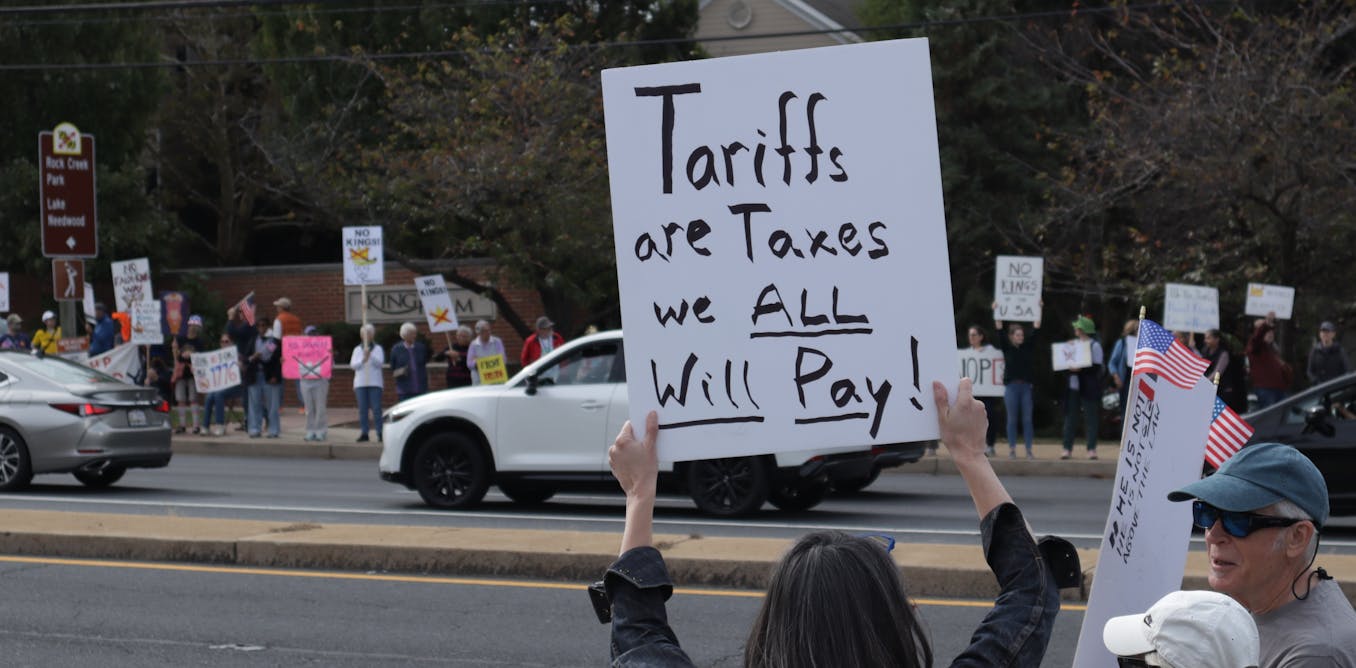
Home The decision by the US Supreme Court to rule most of Donald Trump’s “liberation day” tariffs illegal will have far-ranging consequences for the president’s economic agenda. Although the administration will find other ways to increase tariffs, their usefulness as a weapon of economic warfare will be diminished. And the issue – among the most unpopular of the president’s economic policies – will cause him serious political damage. Trump’s first move following the ruling has been to impose a 15% tariff on all imports. Imposed under a little-used law, the tariff rate is fixed and time-limited to 150 days before needing congressional approval. It would take only a few Republicans to block its extension. And the midterm elections are looming. Using a flat-rate tariff means that some countries that settled earlier and got a better deal – including the UK – are now worse off, while others that had a higher tariff rate imposed on them have, at least for now, benefited. It also could mean that those that pledged to invest hundreds of billions in the US economy – including Japan and the EU – may now question whether their commitment still stands.
Published: February 24, 2026 5:16 pm
Source: The Conversation — Read original