

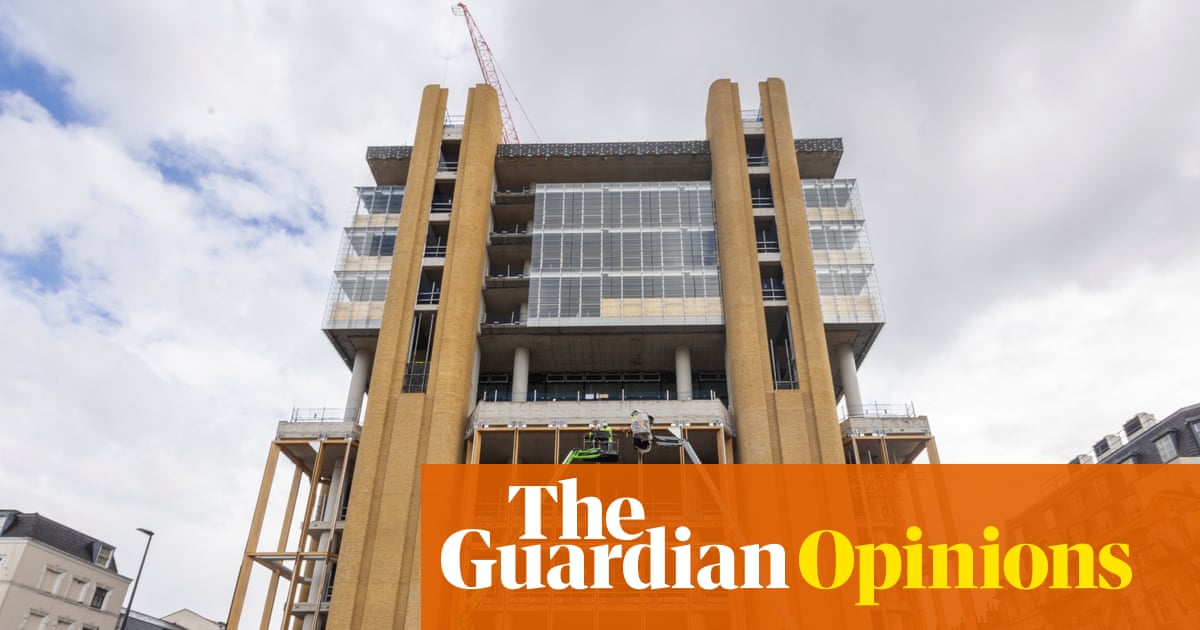
Skip to main contentSkip to navigation Close dialogue1/1 Next image Previous image Toggle captionSkip to navigation ‘The closure of Merck’s UK research centre, already under construction in London [pictured], is another setback for the government’s biopharma ambitions.’ Photograph: Graeme Robertson/The Guardian View image in fullscreen ‘The closure of Merck’s UK research centre, already under construction in London [pictured], is another setback for the government’s biopharma ambitions.’ Photograph: Graeme Robertson/The Guardian The Guardian view on Merck’s exit: Britain’s biopharma strategy stalls in the face of China’s rise Editorial The industry’s retreat from the UK reflects a deeper shift about how Beijing is rewriting the rules of innovation When Merck abruptly scrapped its billion-pound London research hub last week, critics blamed Britain’s lacklustre support for life sciences and a Scrooge-like grip on NHS drug prices.
But one important factor may have been missed. That Merck, which is also cutting jobs elsewhere – 6,000 globally – is recalibrating not just in response to the UK or the US, but to China.Merck’s cash cow is pembrolizumab (brand name Keytruda), an immunotherapy drug launched in 2014 that has successfully treated advanced melanoma, head and neck, lung, cervical and other cancers.
It blocks an antibody called PD-1, teaching the immune system to fight the cancer. Because some patients are out of other options, the results sometimes seem miraculous.But Keytruda’s patent runs out in 2028. And now there is another drug on the global market, called ivonescimab, made…
Published: September 15, 2025 6:11 pm
Source: The Guardian — Read original